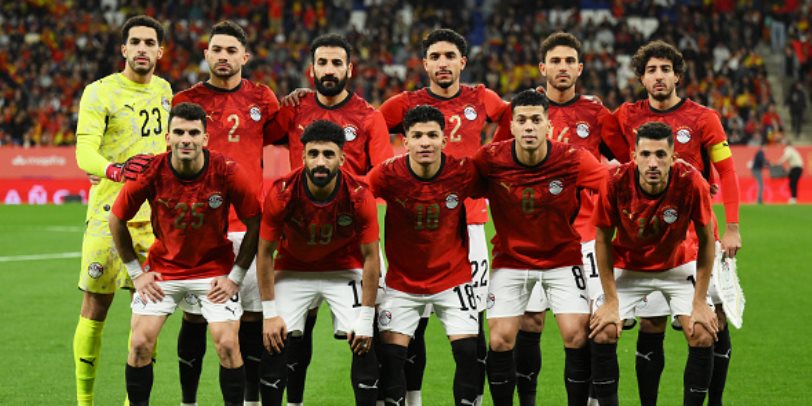
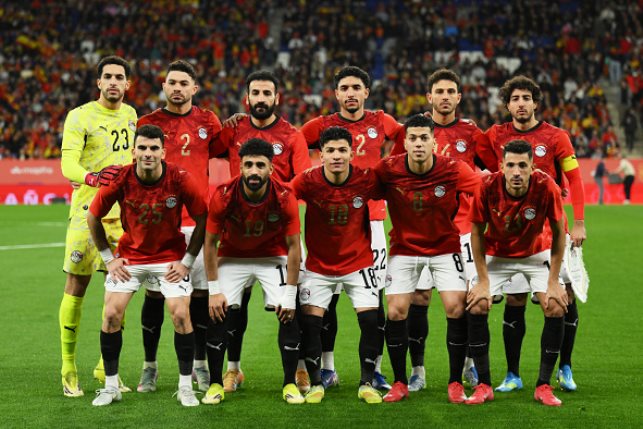
Egypt makes its World Cup 2026 debut today against Belgium, as it enters the group stage of the tournament.
The 2026 FIFA World Cup kicked off on June 11 across the United States, Canada, and Mexico. With this global tournament underway, Egypt is returning to football’s biggest stage, joining the largest edition in the competition’s history.
Beyond the action on the pitch, the expanded 48-team format represents a major global economic event, generating billions of dollars in revenues, investment flows, and commercial opportunities.
For Egypt, participation in the tournament brings direct financial gains, but the broader impact extends well beyond FIFA’s prize money. The World Cup provides a platform to strengthen the country’s sports economy, enhance player market values, support clubs financially, and increase international visibility.
A guaranteed financial return from FIFA
Egypt’s participation guarantees at least $12.5 million from FIFA’s World Cup financial package.
This includes $10 million for participation and $2.5 million for preparation and related costs, with additional rewards depending on how far teams progress in the competition.
The 2026 edition carries a significantly larger financial scale than previous tournaments, with FIFA allocating around $871 million in total prize money, nearly double the $440 million distributed at the 2022 World Cup in Qatar.
The tournament has also expanded significantly, featuring 48 teams, 104 matches, and games across 16 stadiums in the United States, Canada, and Mexico, making it the largest World Cup ever in terms of participation and match volume.
A bigger stage for Egypt’s football economy
Egypt enters the tournament with a squad whose commercial value continues to grow. The national team’s estimated market value stands at around €116.5 million ($134 million), placing the Pharaohs among mid-ranked teams globally in terms of player valuation.
The team’s most valuable asset is Omar Marmoush, the Manchester City forward, whose market value is estimated at around €50 million ($57.5 million), accounting for nearly 43% of Egypt’s total squad value.
The presence of internationally recognized Egyptian players strengthens the country’s football brand, creating opportunities for sponsorship deals, broadcasting exposure, and increased global interest in Egyptian football.
Veteran star Mohamed Salah remains one of Egypt’s most influential football figures globally, with his long-standing presence at Liverpool FC helping establish a strong international profile for Egyptian players. His participation in the tournament further enhances Egypt’s global visibility.
The economic benefits of the World Cup extend beyond national teams to the clubs that develop and release international players.
Clubs are also winners
Under FIFA’s Club Benefits Programme, clubs receive financial compensation for releasing players to their national teams during the tournament. The system provides approximately $11,000 per player per day, allowing clubs to generate revenues even if their players’ teams exit early.
With the group stage lasting at least 18 days, clubs can secure substantial earnings per player, with payments increasing as teams advance to later stages.
Egyptian clubs are expected to benefit, particularly Al Ahly SC, which has several players represented in the national squad. Based on the estimated number of participating players, the club could earn around $1.7 million during the group stage alone, with additional gains if players progress further.
This creates a new revenue stream for clubs and highlights the growing financial importance of developing internationally competitive players.
The World Cup has evolved into one of the world’s largest economic events, generating benefits that extend far beyond football.
A global economic engine
According to estimates from FIFA and the World Trade Organization, the 2026 tournament could generate around $80 billion in global economic impact, while supporting approximately 824,000 full-time jobs.
The expected benefits include around $40.9 billion added to global GDP, with approximately $17.2 billion attributed to the U.S. economy.
The tournament is also expected to attract around 6.5 million fans across the three host countries, generating more than $14 billion in related spending. Tourism, aviation, hospitality, transportation, retail, and entertainment are among the main beneficiaries.
Government revenues linked to the event are projected at around $9.4 billion, while broader social and infrastructure benefits are estimated at approximately $8.28 billion.
Tourism and Egypt’s global image
While Egypt is not hosting matches, participation in the World Cup provides a valuable opportunity to promote the country’s tourism and investment potential.
Major sporting events have historically served as global marketing platforms, increasing international awareness and strengthening destination branding.
Egypt’s appearance in the tournament comes as the country continues efforts to expand tourism revenues and attract more international visitors. The global attention surrounding the national team could support broader promotional efforts, particularly across Europe, Africa, and the Middle East.
The 2026 World Cup reflects the growing intersection between sport and economics.
The biggest World Cup yet
With 48 teams, record-breaking revenues, increased commercial activity, and wider global participation, the tournament represents a significant financial opportunity for participating countries.
For Egypt, the benefits extend beyond guaranteed FIFA payments. The event offers a chance to increase the value of Egyptian football, strengthen club revenues, attract commercial partnerships, and showcase the country on one of the world’s largest stages.